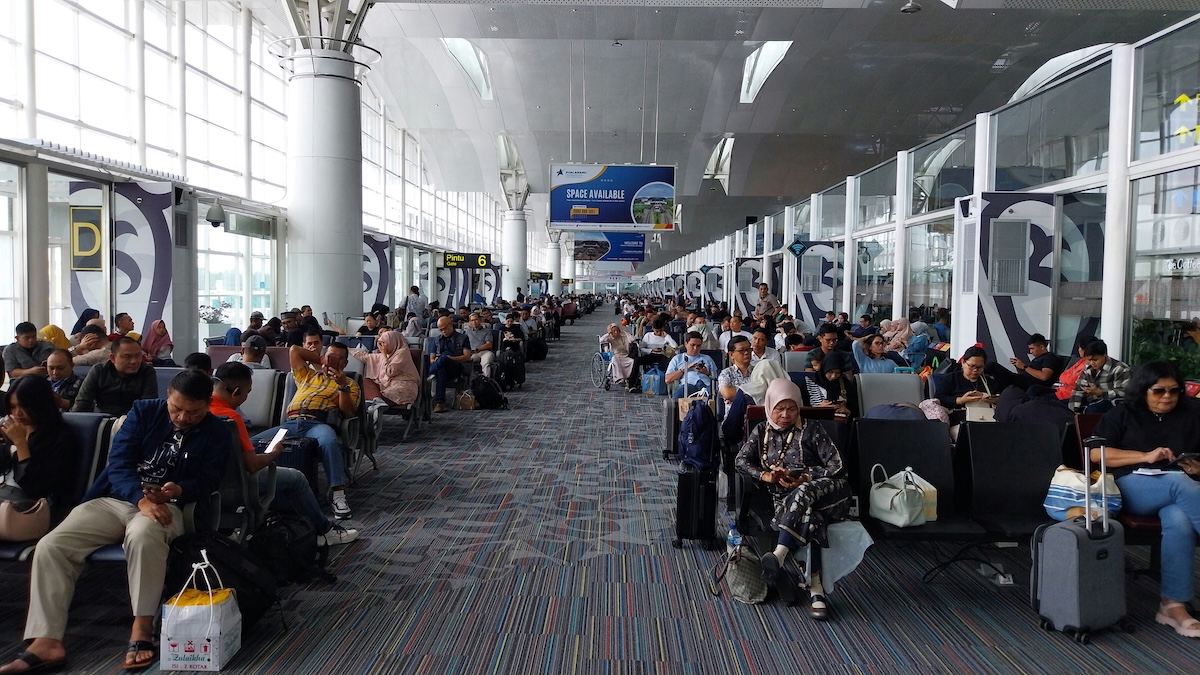
Long Layover: What to Do During a 6+ Hour Wait Between Multi-City Flights
A long layover doesn't have to be dead time. Here's how to make the most of a 6+ hour wait between flights on a multi-city trip — from airport transit programmes to simply resting well.
Long Layover: What to Do During a 6+ Hour Wait Between Multi-City Flights
Most layover advice focuses on the opposite problem — connections that are too tight. But on a multi-city trip, the reverse situation comes up just as often: a genuinely long gap between flights, sometimes deliberately booked that way to get a better fare or a more convenient departure time on the next leg.
A 6+ hour layover is long enough to be worth planning for properly, rather than just enduring. Here’s how to make the most of it, depending on what your specific situation allows.
First, Work Out What You’re Actually Allowed to Do
Before planning anything, establish two things: whether you need a visa to leave the airport, and whether your baggage situation allows it.
Check the transit visa requirements for the specific airport, not just the country in general — some countries offer visa-free transit for a set number of hours specifically for connecting passengers, even if a standard tourist visa would otherwise be required. This varies considerably by nationality and airport, so check the specific rule for your passport and your specific transit airport rather than assuming.
Check whether your bags are checked through to your final destination or need to be collected. If checked through, you’re free to leave the airport without needing to retrieve anything. If not, you’ll need to factor in collecting (and later rechecking) your luggage as part of your plan.
Confirm your connecting flight’s terminal and any security requirements for re-entry, since some airports require you to clear security again on return, which needs to be factored into your timing.
Option 1: Leave the Airport and Explore
If your visa situation and layover length genuinely allow it, leaving the airport is often the most rewarding option, particularly at airports with good city transit connections.
Realistic time budget for a 6-hour layover: After accounting for immigration (if required), transit to and from the city, and getting back through security with buffer before your flight, you typically have 2.5–3.5 hours of genuinely usable time in the city itself. Below 6 hours total, leaving the airport becomes considerably tighter and riskier.
Airports well suited to this: Several major hubs have specifically built infrastructure or partnerships around this — efficient rail links to city centres, and in some cases, official transit tour programmes run by the airport or a partner airline that handle the logistics for you, including transport and a guided timeframe designed to get you back with margin to spare.
Airports less suited to this: If immigration queues are unpredictable, if the city centre is a long way from the airport, or if your transit visa situation is uncertain, treat leaving the airport as a higher-risk option and lean toward staying airside instead.
Option 2: Use Airport Facilities Designed for Long Layovers
Many major airports have invested specifically in making long layovers more comfortable, recognising that a meaningful share of their passengers are in exactly this situation.
Airport lounges — accessible via a day pass (often bookable in advance through third-party platforms, even without status or a premium ticket), offer showers, food, quiet seating, and wifi. For a 6+ hour wait, this is often worth the cost purely for the shower and a proper place to work or rest.
Sleep pods and rest areas — an increasing number of major airports offer paid short-stay sleep pods or capsule hotels within the terminal, particularly useful for overnight layovers or long-haul recovery.
Free amenities worth checking for — some airports offer free showers, prayer rooms, children’s play areas, art exhibitions, or even short walking trails within the terminal itself, all of which can meaningfully improve a long wait without needing to leave.
Option 3: Prioritise Rest, Especially Before a Long-Haul Leg
If your long layover falls between two long-haul flights, or before an overnight leg, the most valuable use of the time might simply be rest rather than activity.
A lounge or sleep pod with a genuine flat or reclined option makes a meaningful difference to how you feel on your next flight, particularly if you struggle to sleep on planes.
Time your rest deliberately around your next flight’s departure, rather than simply napping whenever you feel tired — aligning your rest period with your body’s likely energy dip and leaving a buffer before boarding tends to work better than an unplanned nap that runs long.
If your trip involves significant time zone changes, consider using a long layover to begin adjusting, eating and resting on a schedule closer to your destination’s time zone rather than your origin’s, particularly for a layover of 8+ hours.
Option 4: Get Work or Life Admin Done
For business travellers or anyone on a longer trip who needs to stay on top of things, a long layover in a well-equipped lounge or a quiet airport café can be genuinely productive time — often more so than the flight itself, where wifi and space are more limited.
Confirm wifi quality before committing to this plan — some airports and lounges have excellent connectivity, others are considerably less reliable, so it’s worth checking recent reviews for your specific airport if this matters for your plans.
A Simple Decision Framework
Given your specific layover length and circumstances, here’s a reasonable way to decide:
Under 5 hours: Generally too short to comfortably leave the airport once immigration, security, and buffer time are factored in — focus on airport facilities, food, and rest instead.
5–8 hours: A reasonable window to consider leaving the airport if your visa situation and the airport’s city transit links support it, though the margin for delay is tighter — build in a generous buffer for your return.
8+ hours, particularly overnight: Worth seriously considering a sleep pod, airport hotel, or even a proper hotel stay if the layover spans normal sleeping hours, particularly ahead of a long-haul onward flight where arriving well-rested matters.
How This Fits Into Multi-City Trip Planning
Long layovers on a multi-city trip are sometimes unavoidable — a specific route combination might only connect well with a long gap — but they’re also sometimes a deliberate choice, since a longer layover can occasionally unlock a meaningfully cheaper fare or a better departure time for the next leg. When comparing options for a specific leg of your route, it’s worth weighing a longer layover against a tighter one not just on time efficiency, but on what you could realistically do with the extra hours.
If you’re building a longer, more deliberate stopover into your route — rather than an incidental long connection — that’s a related but slightly different planning decision; see how a stopover differs from a standard layover for more on that distinction.
Frequently Asked Questions
Q: Can I leave the airport without a visa if I’m just transiting? Sometimes, depending on the specific country, airport, and your nationality — many places offer visa-free transit for connecting passengers within a set time window, but this isn’t universal. Always check the specific rule for your passport and transit airport before planning to leave.
Q: Is it safe to book a long layover if my flights are on different airlines? It’s generally lower-risk than a tight self-transfer connection, simply because you have more buffer time built in — but the fundamental risk (no rebooking obligation if something goes wrong) is the same regardless of layover length. See Same Airline vs Different Airlines: Does It Change How Long Your Layover Should Be? for more on how the airline relationship affects this.
Q: How early should I get back to the airport if I leave during a long layover? As a general guide, be back through security and at your gate at least 60–90 minutes before departure, with additional buffer for immigration queues, traffic, or public transport delays on the return journey — err on the side of returning earlier than feels strictly necessary.
Q: Are airport lounge day passes worth it for a long layover? Often yes, particularly for layovers of 5+ hours — the combination of a shower, food, quiet space, and reliable wifi tends to justify the cost for many travellers, though it’s worth comparing the specific lounge’s offering and price against your own priorities for the layover.
Final Thoughts
A long layover on a multi-city trip doesn’t have to be wasted time spent watching departure boards. With a bit of planning — checking visa rules, understanding your airport’s specific facilities, and being honest about how much time you genuinely have once buffer is factored in — a 6+ hour wait can become a genuinely useful part of the trip, whether that’s exploring a new city for a few hours, catching up on rest, or simply arriving at your next destination in better shape than you would have otherwise.
Plan your full multi-city route with VoyageFlights — see your connection times across every leg and decide which layovers are worth making the most of.
Ready to plan your multi-city trip? Search and compare flights across multiple destinations — all in one screen.
Start planning on VoyageFlights →